


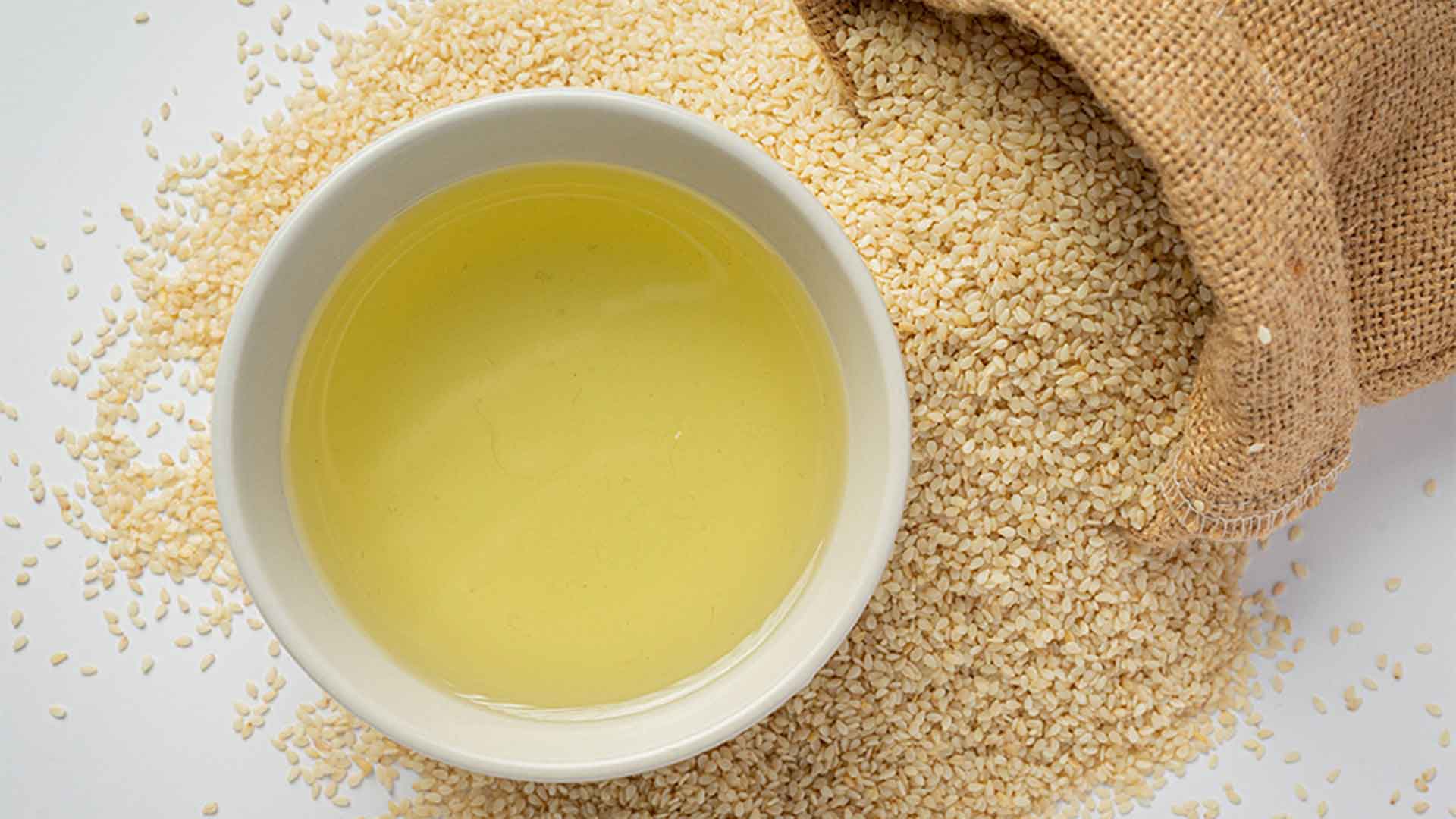
The consumption of natural and plant-based products in the daily diet is increasingly expanding and becoming popular among different groups. From fresh vegetables to various vegetable oils, it is of particular importance to pay attention to healthy and beneficial choices for the body. Among these choices, vegetable oils have been considered not only for flavoring foods, but also for their therapeutic and health properties. However, improper use of these oils can have adverse effects and reduce their benefits. From the right cooking temperature to the correct storage method, choosing the right methods for using vegetable oils can have a great impact on your health. In this article by Oghab, we will examine five common mistakes in using these types of oils and provide simple and practical solutions to maximize their benefits. These tips will help you fully benefit from the properties of these oils while preventing any harm from improper use.
5 Common Mistakes When Using Sesame Oil
Sesame oil is one of the healthiest options for cooking and adding to your diet because it contains unsaturated fatty acids, antioxidants, and a variety of essential vitamins that can be very important for heart health, skin, and immune system. However, improper use of sesame oil can reduce its properties and even lead to negative effects on the human body. From the right temperature for cooking to how to store it properly, there are important points that you should pay attention to in order to benefit from all the benefits of this exceptional substance.
- Excessive use of sesame oil
One of the most common mistakes that occurs in the use of sesame oil is excessive use of it based on the idea that since this substance contains healthy fats, it is not a problem to use it in large quantities, but you should know that frequent use can increase calorie intake and ultimately weight gain.
Solution:
Instead of adding it as a condiment to every meal, it is better to use it in the right amount, for example, for frying or cooking food or using it in various desserts and salads, or even use it in various desserts and salads. The amount of oil consumed should be proportional to the daily need for fats and calories of the body.
- Using Sesame Oil at High Temperatures
Refined sesame oil works well for cooking at high temperatures, but its raw type, which still retains its natural aroma and flavor, should not be used under very high temperatures, because high heat will destroy the antioxidant properties and vitamins present and will also change the flavor.
Solution:
The refined type can be used in the preparation of food in its raw form for salads and cold dishes or desserts.
- Improper storage of sesame oil
This substance is particularly sensitive to light and heat due to its unsaturated fatty acids and antioxidants, so storing it in direct light or at high temperatures can cause oxidation and reduce its quality.
Solution:
It should be stored in dark glass containers away from heat and sunlight and in a cool, dry place.
- Using expired sesame oil
When buying, be sure to pay attention to the production and expiration dates of the product. Because consuming expired sesame oil can cause a bitter taste and a negative impact on the quality of food. These oils no longer have their original properties and may even cause digestive problems.
Solution:
It is important to check the expiration date, observe storage conditions, detect unpleasant odors and test its taste before consumption.
- Forgetting to use sesame oil in combination with other fats
Although sesame oil has many properties, many people only use this oil and unilaterally include it in their diet. This may cause a lack of variety in the consumption of healthy fats and reduce the efficiency of other fat sources.
Solution:
To have a balanced diet, combine sesame oil with other healthy fats such as avocado oil, olive oil and coconut oil. This will help diversify the fats in your diet and also help with better absorption of fat-soluble vitamins.
Types of sesame oil
Different types of sesame oil have different characteristics and uses depending on the extraction and processing method. At this stage, we will introduce the different types of sesame oil:
- Unrefined Sesame Oil
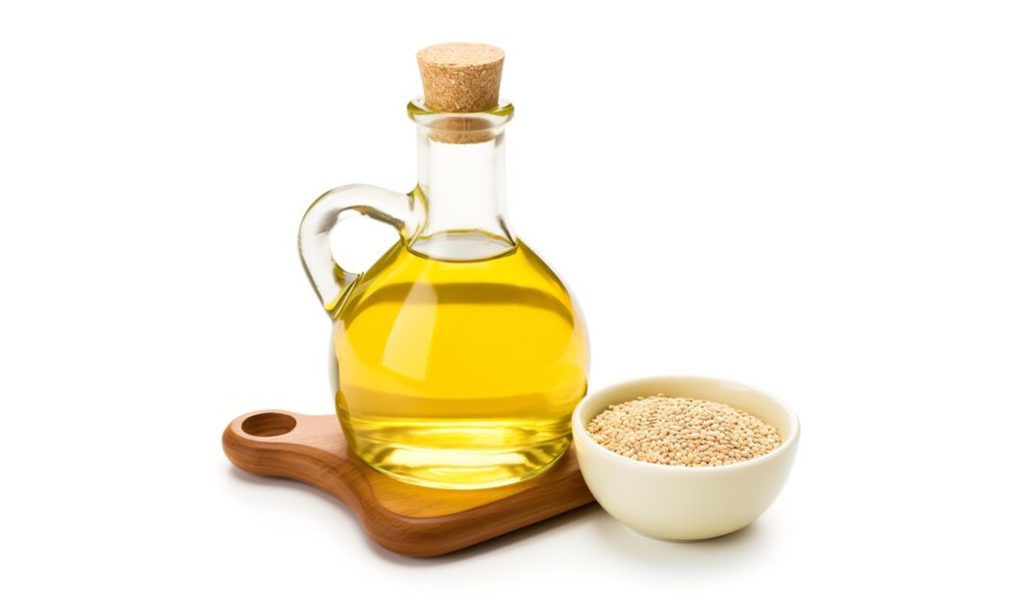
This type of oil is extracted directly from sesame seeds and no refining process is performed on it. Raw sesame oil has a natural and intense flavor and aroma that makes it suitable for use in cold foods such as salads or as a seasoning. This oil is rich in antioxidants and vitamin E.
Features:
Strong and natural flavor and aroma
Contains antioxidants and vitamins
Suitable for salads and desserts
- Refined Sesame Oil
It is produced through refining processes (such as heat treatment and filtration) to make its flavor and aroma milder and free from impurities. This type of oil is suitable for cooking and frying at high temperatures due to its high smoke point.
Features:
Mild flavor and aroma Suitable for cooking and frying High smoke point (about 210-230 degrees Celsius)
- Organic Sesame Oil
This oil is extracted from sesame seeds that have been produced organically and without the use of chemicals and pesticides. This type of sesame oil can be available in both raw and refined forms. Organic sesame oil often has more properties due to the high quality of the seeds used.
Features:
Free of chemicals and pesticides
Healthy and natural
Suitable for people who tend to consume organic ingredients
Different types of sesame oil have different characteristics and uses depending on the extraction and processing method. At this stage, we will introduce the different types of sesame oil:
- Unrefined Sesame Oil
This type of oil is extracted directly from sesame seeds and no refining process is performed on it. Raw sesame oil has a natural and intense flavor and aroma that makes it suitable for use in cold foods such as salads or as a seasoning. This oil is rich in antioxidants and vitamin E.
Features:
Strong and natural flavor and aroma
Contains antioxidants and vitamins
Suitable for salads and desserts
- Refined Sesame Oil
It is produced through refining processes (such as heat treatment and filtration) to make its flavor and aroma milder and free from impurities. This type of oil is suitable for cooking and frying at high temperatures due to its high smoke point.
Features:
Mild flavor and aroma
Suitable for cooking and frying
High smoke point (about 210-230 degrees Celsius)
- Organic Sesame Oil
This oil is extracted from sesame seeds that have been produced organically and without the use of chemicals and pesticides. This type of sesame oil can be available in both raw and refined forms. Organic sesame oil often has more properties due to the high quality of the seeds used.
Features:
Free of chemicals and pesticides
Healthy and natural
Suitable for people who prefer organic products
Using Sesame Oil Wisely for Health
Ultimately, using sesame oil can be considered as one of the ideal options for providing healthy fats in your diet, but like any other food, you should be careful in its consumption. By following the tips regarding the appropriate cooking temperature, proper storage methods, and combining it with other beneficial fats, you can take advantage of all the properties of this oil. These measures will not only help maintain the quality and taste of the oil, but will also ensure your health in the long run. As a result, sesame oil can become a useful and enjoyable addition to your meals, provided that you use it correctly and fully benefit from its benefits.