


Diabetes mellitus is a group of genetic disorders characterized by defects in the metabolism of carbohydrates, fats, and proteins, accompanied by a deficiency or deficiency of insulin secretion or varying degrees of insulin resistance. In addition to metabolic disorders, this disease also causes changes in small and large vessels and the nervous system.
Type 2 diabetic patients are four times more likely than non-diabetics to develop cardiovascular diseases, cerebrovascular diseases, and peripheral vascular diseases, which not only impair the quality of life of patients but also reduce their life expectancy.
In addition to the above, high fat consumption, especially saturated fats, causes coronary heart disease, which is one of the main causes of mortality in people, especially type 2 diabetic patients.
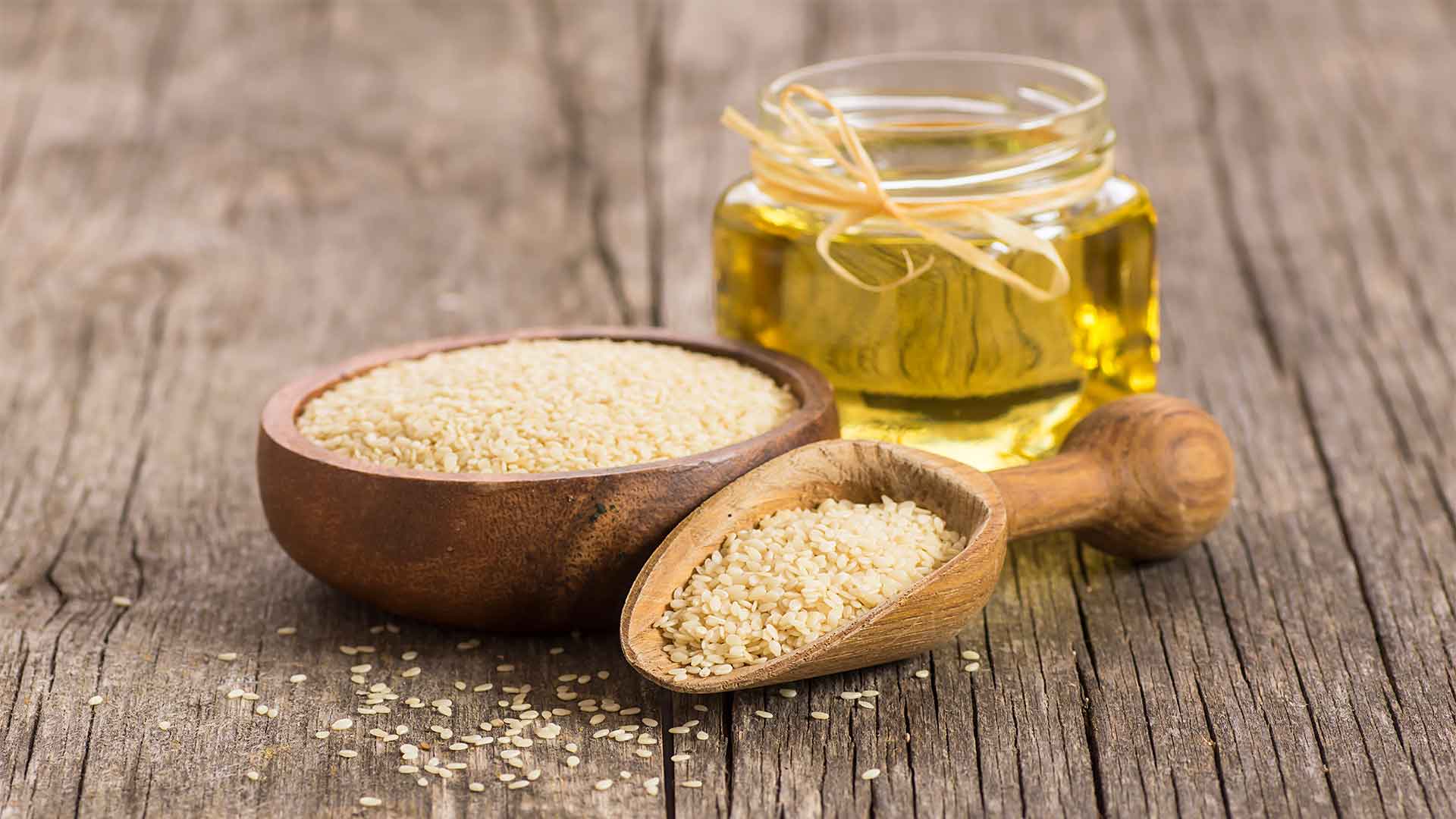
Sesame oil contains large amounts of polyunsaturated and monounsaturated fatty acids that are good for the body, and on the other hand, it contains lignans with antioxidant properties and vitamin E, which are resistant to lipid oxidation and act as antioxidants to scavenge hydroxy and peroxyl radicals, thus controlling lipid peroxidation.
Lipid peroxidation is one of the reactions caused by oxidative stress that occurs specifically in tissues that have membranes rich in active fatty acids; in this way, sesame oil reduces atherosclerosis lesions and can be a suitable and healthy alternative to part of the fat in the daily diet.
The results of medical research show that consuming sesame oil causes a significant reduction in fasting blood sugar and glycosylated hemoglobin in type 2 diabetic patients.
The findings of a 2006 study on diabetics with high blood pressure proved that consuming 35 grams of sesame oil per day for a month and a half significantly reduced plasma glucose and hemoglobin levels.
In 2007, a study was conducted on 25 type 2 diabetic patients in Yazd province. These patients were given 30 grams of sesame oil for 42 days, replacing their previous oil consumption. The patients’ 12- to 14-hour fasting serum was collected at the beginning and end of the study and analyzed using laboratory methods to measure fasting blood sugar, hemoglobin, and blood lipids (total cholesterol, HDL-LDL, and triglycerides).
The results of these studies showed that consuming sesame oil for 6 weeks significantly reduced fasting blood sugar, glycosylated hemoglobin, total cholesterol, and LDL in the study groups.
With 80 years of experience in producing sesame products, Oghab Halva Company is trying to move society’s taste towards healthy eating habits.