


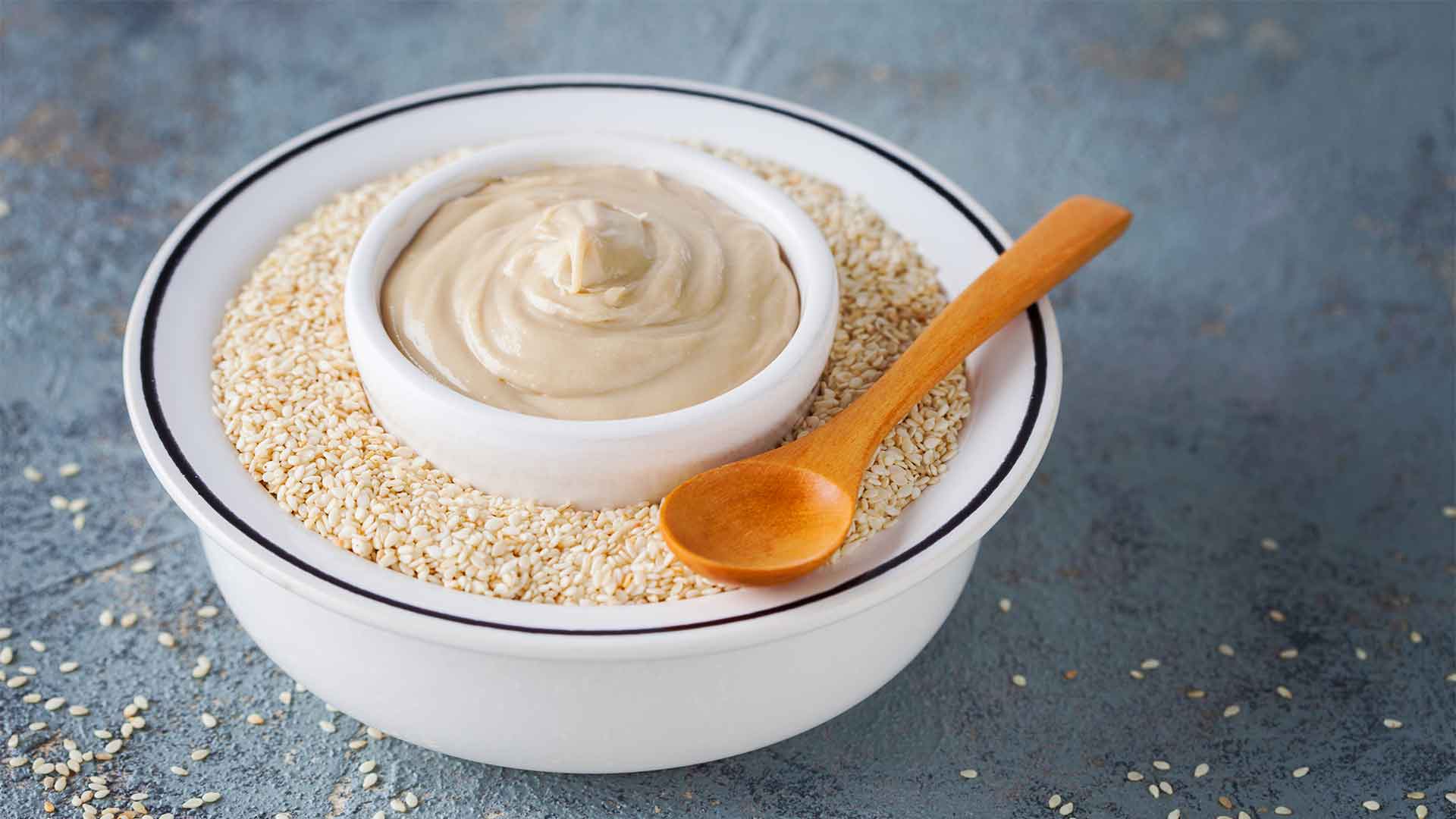
As we have mentioned in previous blogs, sesame is a shrub plant and its diversity reaches hundreds of types based on size, shape, growing conditions, flowers, seed color and other factors.
This oil seed is one of the oldest edible seeds discovered by humans, and has long been used in many parts of the world due to its ability to be cultivated in various climatic conditions and its nutritional and therapeutic benefits. Benniseed and gingili are all names for sesame.
In previous blogs, we have mentioned in detail the types of sesame products produced at the Oghab Halva Factory, including halva, sesame cream, sesame bar, sesame paste, sesame sauce and sesame oil, but in this blog we intend to introduce you to the process of healthy production of this nutritious seed from zero to one hundred.
Healthy Sesame Production Process
Sesame processing typically has 6 stages, and depending on the type and quality of sesame, some of these stages can be eliminated. Below, we will get to know the details of each of these stages.
Stage 1: Cleaning Process
After harvesting, sesame is packed and stored in sacks. In each of the planting, planting, harvesting and threshing processes, there is a possibility of sesame being contaminated with various impurities such as plant, animal, mineral, chemical and metal impurities.
At this stage, most of the mentioned impurities are separated by a device called “Bojari”. The Bojari device separates light impurities by air suction flow and other impurities based on their size by means of a sieve.
In the cleaning process, the uncleaned sesame seeds are transported to the upper part of the sifting machine through a tank and elevator, and when they fall into the sifting machine, they are affected by an air suction flow whose speed can be adjusted, so that light impurities are removed with the air flow and finally enter a cyclone (separator), where they settle and are separated. In the next step, the sesame seeds are spread on sieves and, with a vibrating motion, coarser and finer impurities are separated from the sesame.
Second stage: The peeling process
In the second stage, the sesame seed skin is separated from its kernel. Coloring compounds, bitter compounds, indigestible fiber, and oxalic acid and phytic acid that prevent the absorption of calcium and phosphorus are all substances found in the sesame seed skin.
Removing chemical contaminants, bitter compounds, oxalic acid, phytic acid, and indigestible fiber, and ultimately improving the nutritional value of sesame and improving its taste and color, are among the benefits of the peeling process.
This process is carried out in various ways, but two types of peeling, wet and dry, are more common than other methods.
Third stage: The roasting process
In this stage, the peeled sesame seeds are heated to obtain roasted sesame seeds. The process of roasting sesame seeds is carried out for several purposes, the first is to reduce moisture and thus avoid mold, spoilage and aging, as well as increase the shelf life of sesame seeds, the second is to create a suitable smell and taste, and the third is to produce sesamol, the main antioxidant found in sesame seeds, which is produced by heating.
In general, the roasting process gives the sesame seeds the right taste, color and texture and prepares them for the next steps.
Fourth stage: Cooling process
Roasting and placing sesame seeds at high temperatures causes oil to escape from the texture of these edible seeds and increases the oxidation process of sesame oil, which is why the cooling process must be started immediately after roasting. In traditional workshops, to perform the cooling process, sesame seeds are placed on wide platforms and special paddles are used to turn them over.
This stage is carried out in the Oghab Halva factory by placing sesame seeds in a layer cooler and using a cold air flow.
Fifth stage: Cleaning process
In the shelling process, as well as peeling and washing, a large part of the impurities in the sesame seeds are separated, but in the roasting process, a small percentage of the skins remaining from the peeling process are burned and crushed, creating an inappropriate appearance that is removed at this stage.
In this stage, similar to the cleaning process, cleaning devices are used, and the separation method is based on weight with air flow or separation based on size using a sieve and thrust.
Stage Six: Separation Process
In sesame processing, “separation” means separating sesame seeds by color, which is done using color separation devices or color sorters. In these devices, sesame seeds are passed through nozzles in front of color-sensitive sensors, and according to the defined color range, seeds with a color outside this range are removed from the path with air pressure.
As we mentioned in the blog “Review of the History of Sesame and Its Nutritional Value”, sesame seeds have a great impact on health due to their high nutritional value, such as abundant antioxidants, essential fatty acids, various vitamins, calcium, and phosphorus, and this is why the consumption of sesame and sesame products has gained many fans these days.
The Oghab Halva Factory, by observing all the mentioned steps and also adhering to international standards, is always striving to produce sesame products of the highest quality and in accordance with a variety of tastes.