


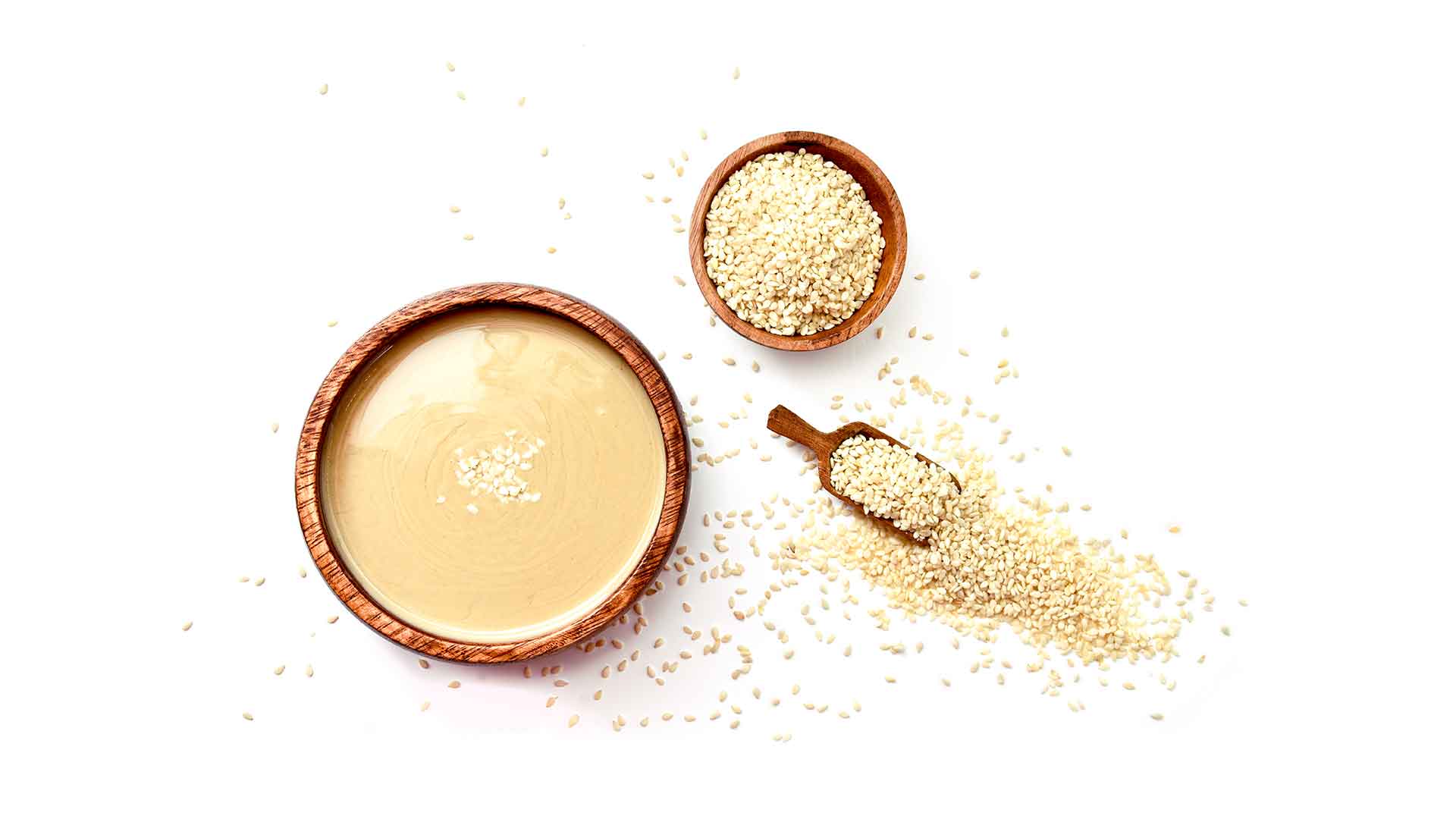
Sesame seeds are one of the oldest oil seeds discovered, which has edible uses and has been used by early humans since ancient times.
Today, the use of this vegetable seed has found many uses and is not limited to the use of raw sesame seeds; this has led to the production and marketing of many sesame products according to the diversity of tastes.
One of these sesame products is sesame oil, the production process of which has three stages: extraction, purification and packaging. In the case of cold-pressed sesame oil, the chemical purification stage is not performed.
To learn more about how sesame oil is produced, continue reading this blog.
Sesame Oil Production Process
Extraction Process
In ancient times, traditional and simpler methods were used to extract oil, which are still popular in some countries, including India, but today, oil extraction is carried out through industrial methods using hydraulic presses, spiral presses, and solvent extraction.
In Asian and European countries, the extraction process is basically carried out in three stages. In the first stage, a continuous spiral press is used, and the extraction process may be carried out by cold or hot pressing. It goes without saying that the best method of extracting oil from sesame seeds is the cold pressing method, which after the filtering process produces a pure, transparent, and high-quality oil that can be used directly.
In the second stage, the meal obtained from the first stage is pressed again. At this stage, the oil obtained is richer in color and must be refined for domestic use.
In the third stage, the meal from the second press is also oiled under the same conditions. However, the oil obtained is not of good quality and is usually used for soap making.
Refining Process
The methods of refining sesame oil depend on the extraction process and the quality of the oil obtained and may be carried out by physical, chemical or both methods. For example, in physical refining, settling tanks and plate press filters are used. In this stage, the oil is passed through the filters under pressure to separate its suspended particles and obtain a clear and transparent oil, but the oils obtained from chemical extraction with solvents require a chemical refining process to achieve acceptable physical and chemical properties. This method has different types and varies depending on the type of extraction and other characteristics of the oil.
Packaging Process
After the extraction and purification processes are completed, the ready-to-use sesame oil is transferred to the filling machine for the packaging process. Piston cylinder fillers under nitrogen gas are used to package sesame oil, which transfer a certain volume of oil into the packaging containers and, after injecting nitrogen gas, capping is done without delay.
For packaging raw sesame oil with edible capacity and refined sesame oil, impermeable metal containers with tight lids can be used. If the oil is packaged in metal containers for household use, these containers must be equipped with funnel-shaped lids. This oil can also be packaged in colored or transparent glass containers labeled so that the oil is not exposed to light. In this product, the volume of the packaging containers should not exceed half a liter.
If polymer containers are used for sesame oil, the material and composition of these containers must be approved by legal authorities.
Oghab Halva Company is one of the most well-known producers of sesame products in Iran, which always strives to produce and market all products in accordance with international standards and also to pay attention to the diversity of tastes of the people in society.