


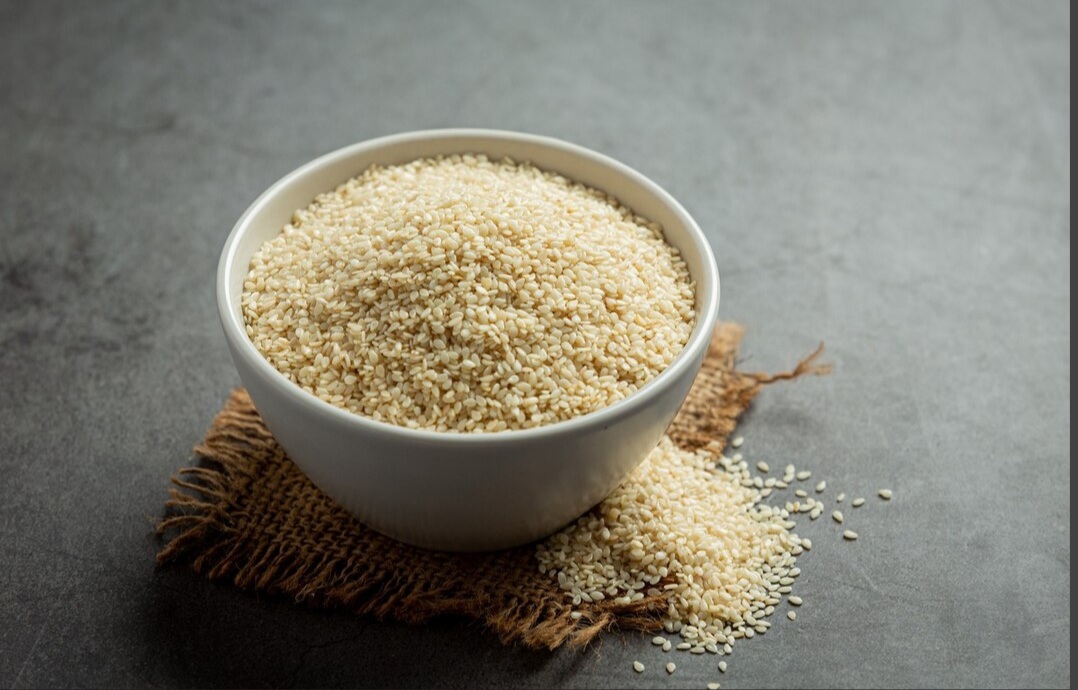
Sesame seeds, also known as sesame, til, simsim, benisid and ginjeli, are one of the oldest oilseeds used by early humans. This seed has been cultivated in parts of the world, especially Asia and Africa, for centuries. Some believe that the sesame plant originated in central Africa and Ethiopia, while others, based on evidence, believe that the plant originated in India. Today, it can be said that sesame consumption has become more widespread due to the emergence and production of sesame products. The production of sesame in the world is more than 6 million tons, and its largest producers are: Tanzania, Myanmar, India, Sudan, China and Nigeria. In Iran, sesame is cultivated and harvested in 16 provinces of the country, including Khuzestan, Khorasan, Fars and Kerman.
Nutritional value of sesame seeds
Sesame seeds are a popular, widely used and highly nutritious food source. These small seeds contain an average of about 25% protein, 20% carbohydrates and about 50% oil and are considered a rich source of essential fatty acids. Nearly 80% of the fatty acids in sesame oil are unsaturated, with oleic acid and linoleic acid being the most important unsaturated fatty acids. The amount of minerals in sesame seeds is between 4-7%, including calcium, phosphorus, potassium and iron. Sesame seeds also contain vitamins E and B. One of the most obvious benefits of sesame is its antioxidant properties. Sesamin and sesamulin are two antioxidants found in sesame seeds. Including sesame seeds in your daily diet reduces the risk of cardiovascular diseases and is the best source for preventing Alzheimer’s.
With over eighty years of experience as the most reputable domestic brand in the field of sesame products, Oghab Halva has strived to be a cultural builder in the direction of healthy nutrition and take an effective step towards improving the health level of the society. The variety of Oghab Halva sesame products, including halva, tahini, sesame, sesame cream, sesame sauce, sesame oil, and sesame snack bars, is a testament to this claim.